
The Epstein Files Didn’t Just Come Back Redacted. They Came Back Incomplete.
And the People Who Know What’s Missing Are Now Forcing the DOJ Into a Corner.

The official narrative is simple:
The Justice Department complied with the Epstein Files Transparency Act. The records were released. Transparency was served.
That narrative collapses on contact with the documents.
Because what matters most right now is not what the DOJ released, it is what survivors say is missing, and the fact that they are deliberately withholding that knowledge to expose negligence.
That is the fracture.
The Law Was Clear. The Compliance Was Not.
Congress mandated the release of all Epstein-related DOJ files by 11:59 p.m. on December 19. Redactions were allowed only to protect the identities of victims or minors.
Yet multiple disclosures show:
Entire pages are fully blacked out
Files referenced in prior proceedings are absent from the release
Gaps that cannot be explained by victim protection alone
This is not an interpretation dispute. It is a compliance question.
And now, survivors are signaling that they know exactly which records failed to appear.
Survivors Are No Longer Waiting for the DOJ to Act

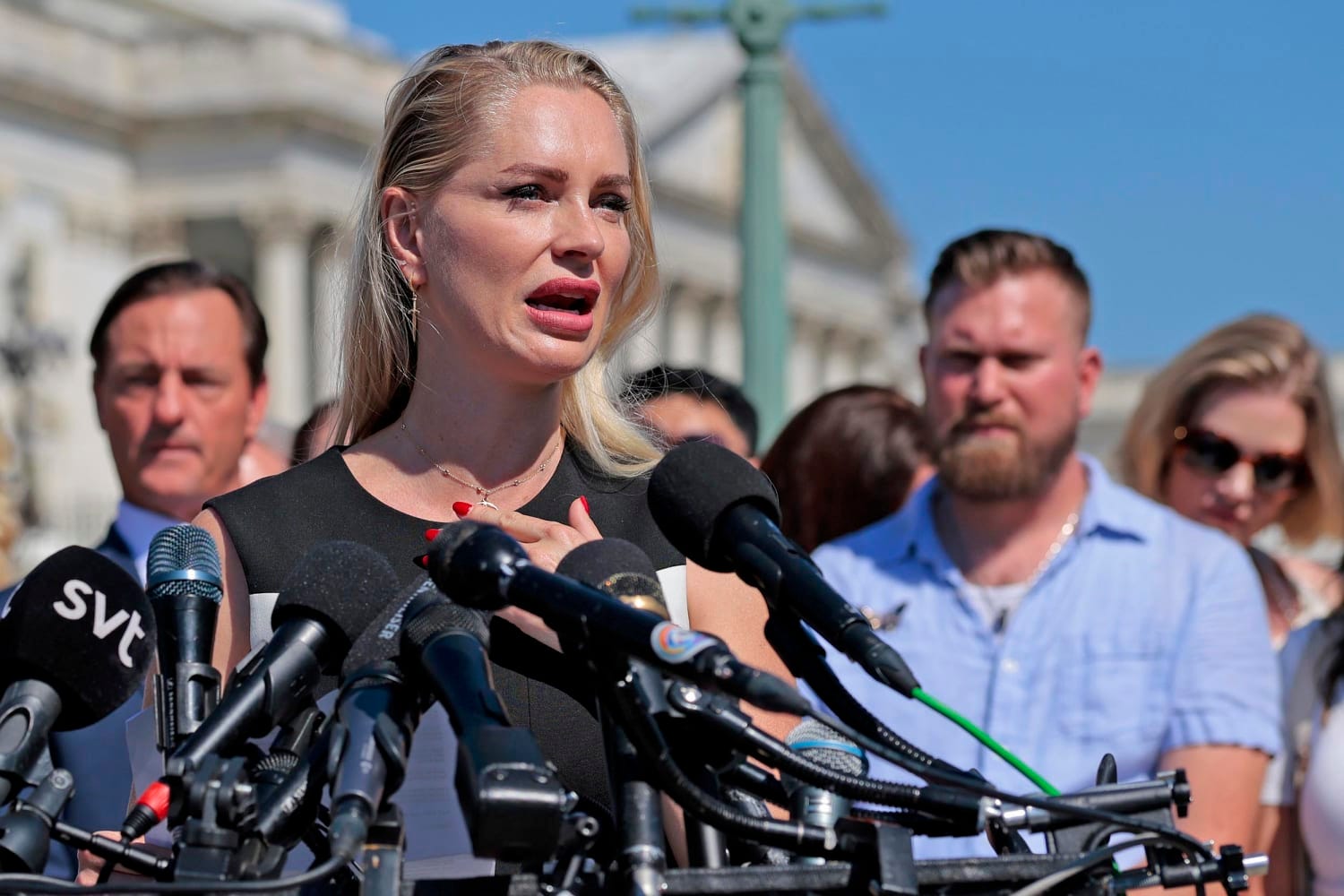
On December 21, Epstein survivor Jess Michaels appeared on MS NOW and was asked the question many in the public keep repeating:
Why not just name names?
Her answer mattered less for what she said publicly than for what she revealed strategically.
Michaels confirmed that survivors are:
Working with attorneys
Providing specific lists of documents that should exist
Tracking what the DOJ failed to produce under a congressional mandate
Two records were referenced as especially critical:
A 60-count criminal indictment tied to Epstein and potential co-conspirators
An 82-page DOJ memo detailing alleged criminal conduct
Neither appeared in the public release.
That omission is now the point of leverage.
This Is No Longer About Naming Names. It Is About Proving Negligence.
The DOJ’s vulnerability is structural.
If survivors can demonstrate that:
Specific files were known to exist
Those files were not released
The law required their disclosure
Then the issue is no longer secrecy. It is a failure to comply with an act of Congress.
That opens doors the DOJ cannot control:
Judicial review
Court-ordered compliance
External discovery
Congressional enforcement mechanisms
This is why survivors are not rushing to disclose what they know. Silence, for now, is evidence.
I Built a Searchable Database of All 26,000 Epstein Documents. Here’s What It Reveals.

When the House Oversight Committee released over 26,000 Epstein files, it didn’t provide the public with a clear way to review them, nor did it provide a search tool. No index. Just thousands of scattered PDFs, exactly the kind of chaos powerful people rely on.
Power, Clearly Named
The power here does not belong to anonymous “officials” or abstract bureaucracy.
It resides with:
The Department of Justice, which controlled the release
Senior DOJ leadership is responsible for compliance certification
The institutional shield that has historically insulated Epstein-related investigations from full exposure
That shield is no longer intact. It is being tested by people who already survived the worst version of institutional failure.
What This Unlocks
For the first time since Epstein’s death, the accountability pressure is no longer public outrage-driven. It is document-driven.
If survivors force the DOJ to explain missing files under oath or in court, this becomes:
A record case
A compliance case
A negligence case
Those do not disappear with press cycles.
They compound.
Why a Full Investigation Is Now Mandatory
A full investigation is no longer a moral demand. It is a procedural necessity.
Any serious inquiry must answer:
Which Epstein-related files exist in DOJ custody
Which were withheld or redacted beyond statutory authority
Who signed off on compliance
Why survivors’ document inventories do not match DOJ disclosures
Until that happens, every claim of “transparency” is unverified.
The Bottom Line
This is no longer about whether names will be revealed.
It is about whether the Justice Department can withstand a records-based challenge from people who already know what the files are supposed to contain.
That is a far more dangerous position for the DOJ to be in.
If you want real accountability, not summaries, not assurances, support independent investigations that track documents, dates, and omissions.
Subscribe to The Allen Analysis to follow the paper trail, the legal pressure points, and the consequences that come next.
Because once the missing files are proven to exist, silence stops being protection.