
The U.S. Just Drew a Line on Global Censorship. Here’s Who Was Targeted and Why.
By Brian Allen

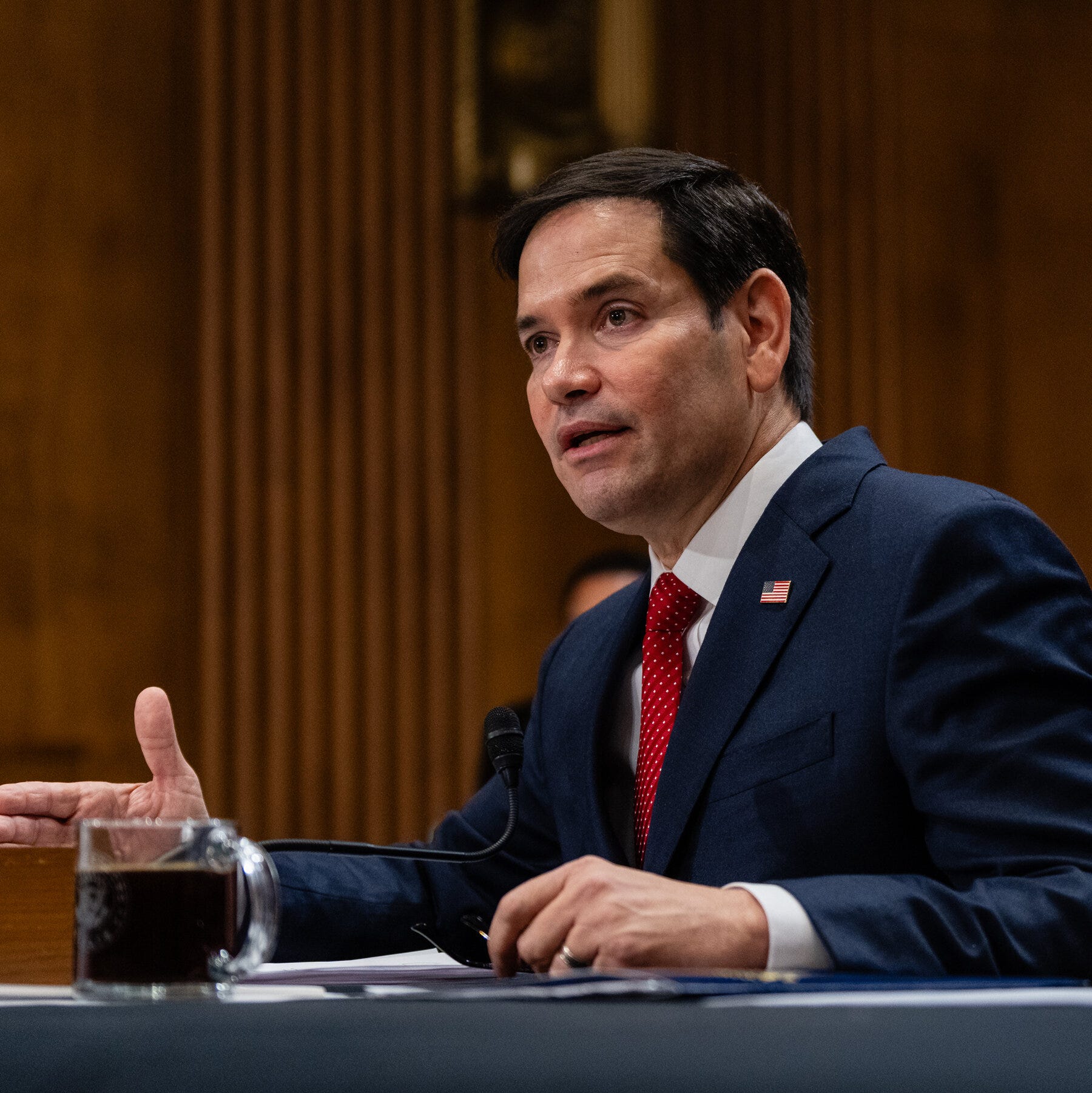
The United States has crossed a line it avoided for years. This week, the State Department imposed visa sanctions on a group of foreign officials and NGO leaders accused of coordinating censorship of American speech from abroad. The action represents a decisive shift in how the U.S. government views global content moderation. What was once treated as a regulatory disagreement is now being framed as a form of foreign interference.
The announcement came with unusually direct language from senior officials. Secretary of State Marco Rubio made clear that the administration no longer accepts the idea that foreign governments or affiliated organizations can pressure American platforms into suppressing lawful speech by Americans.
“For far too long, ideologues in Europe have led organized efforts to coerce American platforms to punish American viewpoints they oppose. The United States will no longer tolerate these egregious acts of extraterritorial censorship.”
That framing is central to the administration’s position. The issue is not whether Europe has the right to regulate content within its own borders. It is whether those regulations are being used to reach across the Atlantic and shape American political discourse.
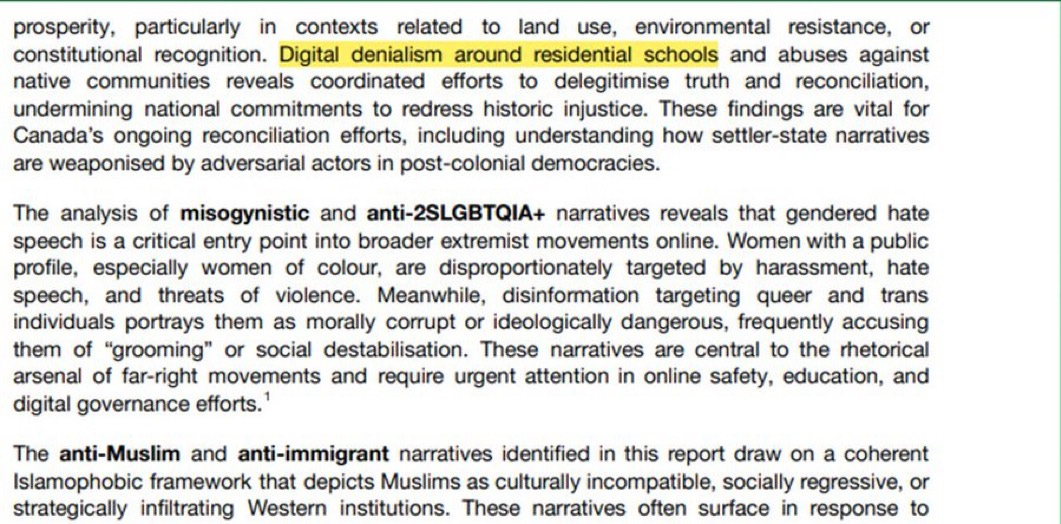
At the center of the dispute is the European Union’s Digital Services Act. While the DSA is presented as a tool to combat illegal content and disinformation, its enforcement structure relies heavily on pressure applied to U.S.-based platforms. Because those platforms operate globally, decisions made under European regulatory threat often affect users far beyond Europe, including journalists, activists, and political speakers in the United States.
The State Department argues that this system has created a censorship pipeline that operates without democratic accountability to American voters. Officials say that a network of regulators, trusted flaggers, and advocacy organizations has effectively outsourced content suppression while maintaining plausible deniability.
Under Secretary of State for Public Diplomacy Sarah Rogers described the sanctions as a necessary response to what she called a red line violation of U.S. sovereignty.
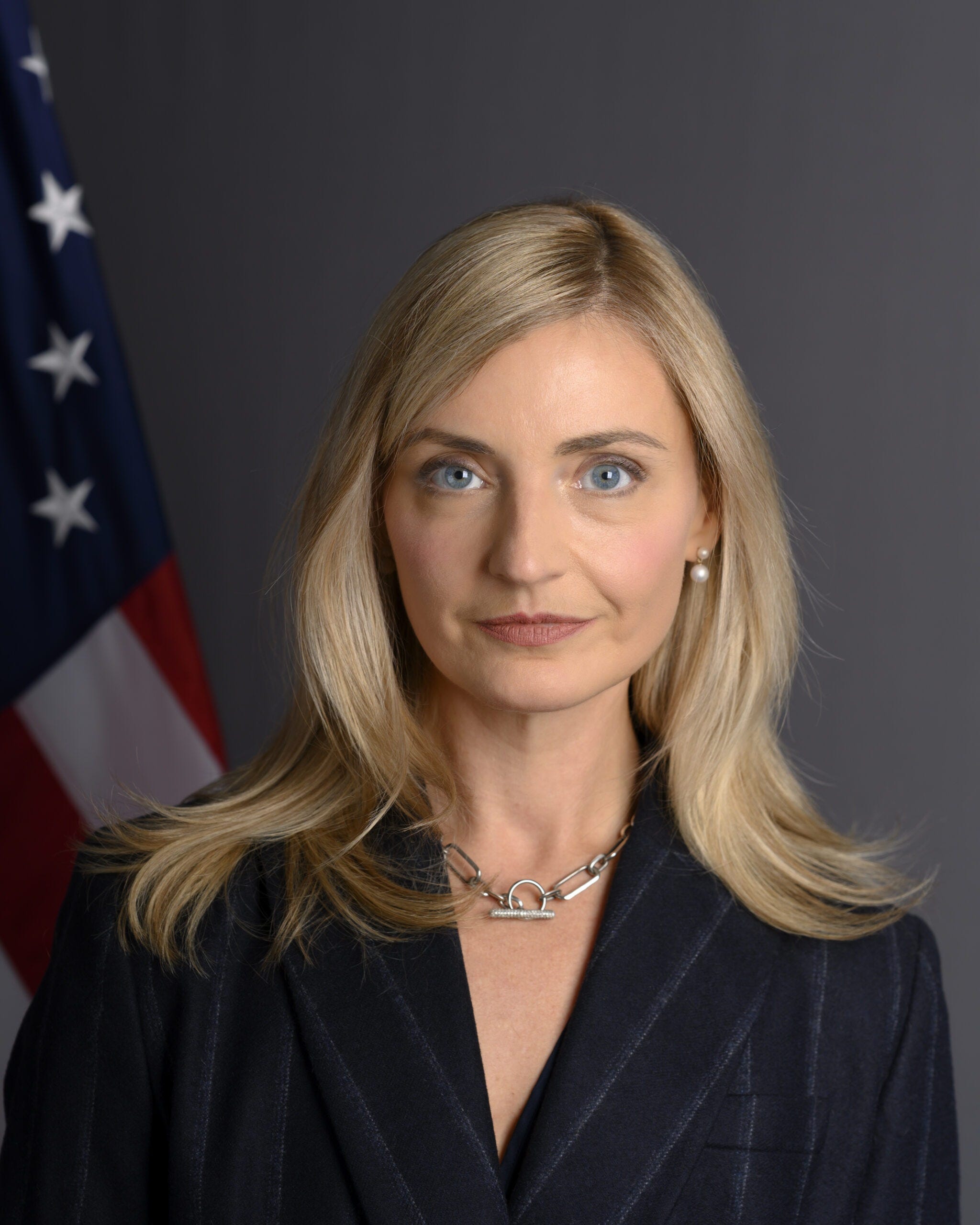
“Today, the United States issued sanctions reinforcing the red line we invoked. Extraterritorial censorship of Americans is unacceptable.”
Rogers emphasized that the measures are visa-related, not financial, but warned that the message should not be misunderstood.
“If you spent your career fomenting censorship of American speech, you are unwelcome on American soil.”
Among those sanctioned is Josephine Ballon, a senior figure at HateAid, a German organization designated as an official trusted flagger under the Digital Services Act. Trusted flaggers receive preferential treatment when reporting content, meaning their complaints are fast-tracked and often acted upon with minimal scrutiny. Ballon also serves on Germany’s Advisory Council to the Digital Services Coordinator, placing her in a direct advisory role over how the DSA is applied.

Ballon has been explicit about her philosophy. In a widely circulated interview, she summarized her view succinctly.
“Free speech needs boundaries.”
The administration argues that when such views are embedded into regulatory systems with global reach, they cease to be philosophical opinions and become enforcement mechanisms with real consequences for American speakers.

Anna Lena von Hodenberg, HateAid’s founder, was also sanctioned. HateAid was created following Germany’s 2017 federal elections and has since positioned itself as a central authority on online harms. U.S. officials allege that the organization’s work extended beyond domestic advocacy and into coordinated efforts to pressure American companies regarding content produced by Americans.
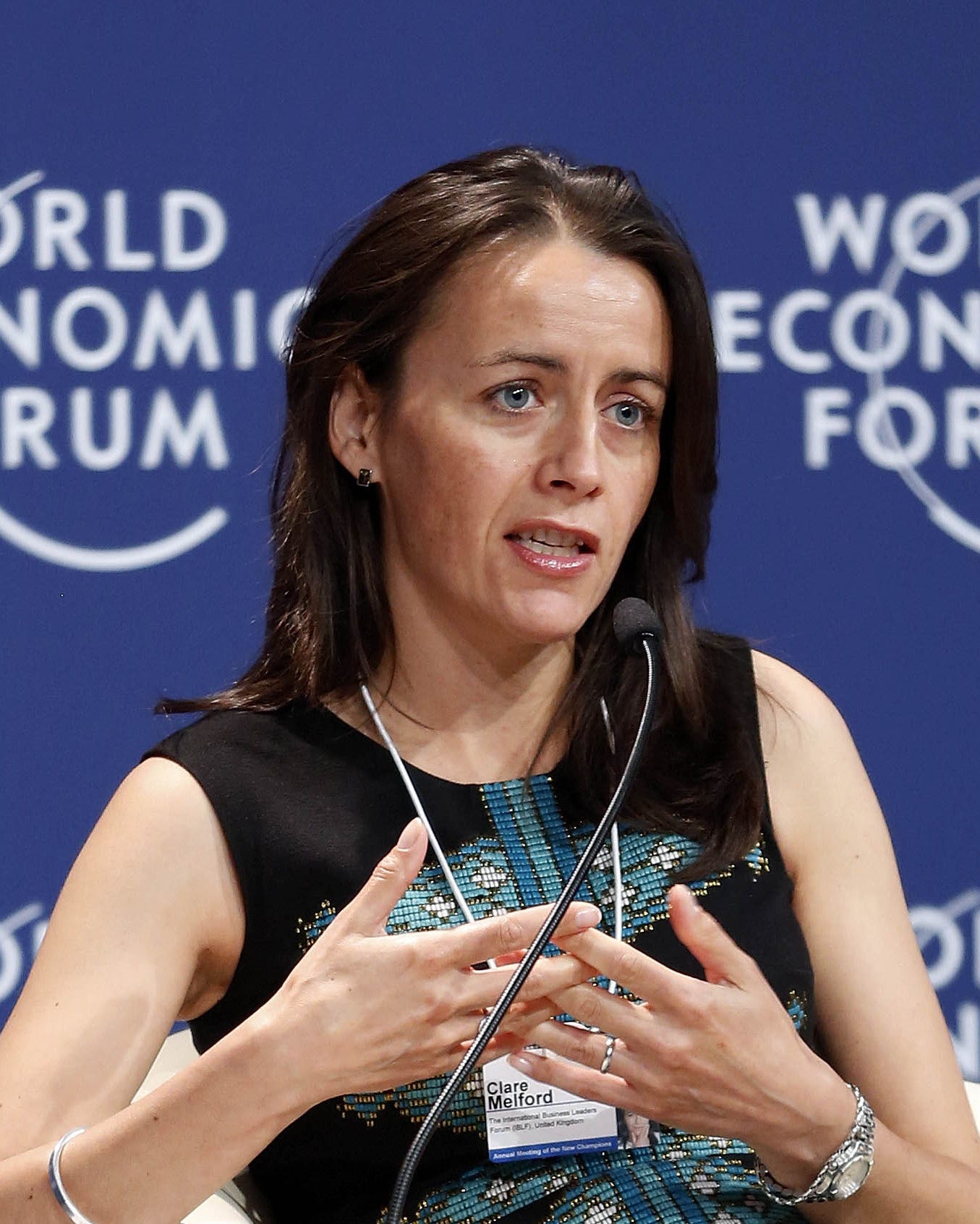
The sanctions list also includes Clare Melford, who leads the Global Disinformation Index, a UK-based organization that rates news outlets and websites for perceived disinformation risk. GDI’s ratings have been criticized for functioning as informal blacklists that deter advertisers and platforms from engaging with targeted outlets.
The State Department alleges that GDI collaborated with regulators in ways that suppressed American media under the guise of countering disinformation. Internal reports and public statements show that GDI advocated restricting advertising access to outlets that expressed views outside approved narratives, including on issues related to national history and public policy.
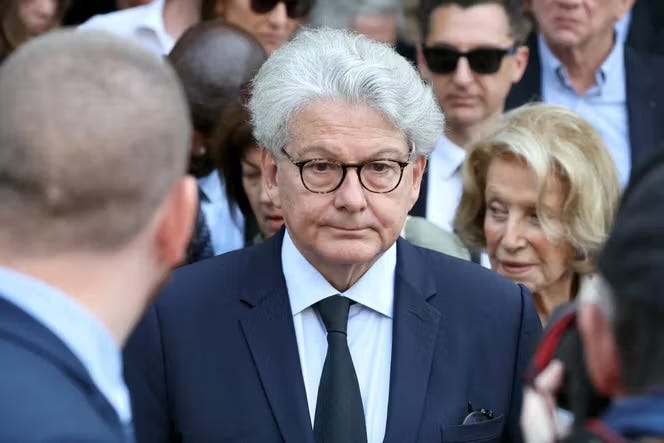
Thierry Breton, a former European Commissioner and a principal architect of the Digital Services Act, was also named. In August 2024, while serving as Commissioner for Internal Markets and Digital Services, Breton issued a warning to an American platform ahead of a politically sensitive livestream involving a U.S. presidential candidate. He referenced ongoing formal proceedings and reminded the company of its legal obligations under the DSA.
The administration now argues that such warnings amounted to coercive pressure designed to influence American political speech before it occurred.
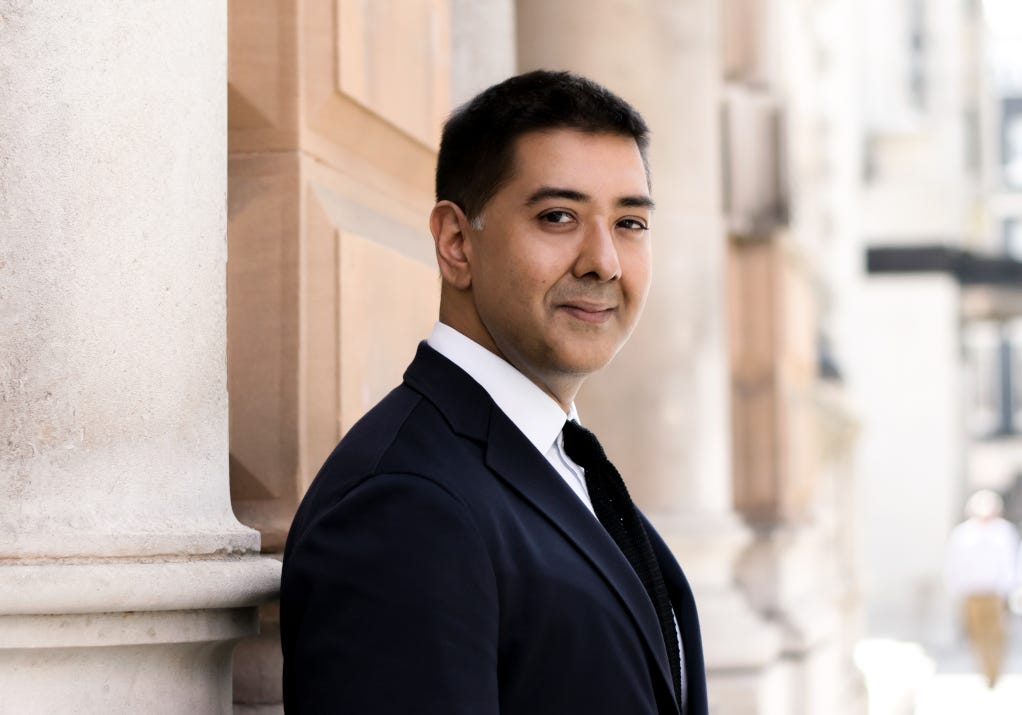
Imran Ahmed, head of the Center for Countering Digital Hate, was likewise sanctioned. CCDH gained prominence through its “Disinformation Dozen” report, which urged platforms to deplatform specific American individuals. Leaked documents previously reported by journalists showed that CCDH discussed strategies to trigger regulatory action against U.S. platforms and to pressure advertisers into withdrawing support from targeted speakers.
According to the State Department, these actions formed part of a broader censorship ecosystem that blurred the line between advocacy and enforcement.
The sanctions themselves are limited to visa restrictions. Officials confirmed that they are not invoking Magnitsky-style financial penalties at this stage. However, they also stated that the list is illustrative, not exhaustive, and that additional names could be added if coordinated censorship efforts continue.
What makes this moment different from past transatlantic disputes is not the scale of the sanctions but the theory behind them. The United States is asserting that American speech remains protected by American constitutional principles regardless of where platforms operate, and that foreign actors who work to suppress that speech may be engaging in hostile interference rather than legitimate regulation.
That assertion raises unresolved questions. How should U.S. companies respond to foreign regulatory demands that conflict with U.S. free speech norms. Where is the line between lawful regulation and unlawful coercion. And whether future administrations will maintain this posture or retreat to quieter diplomacy.
For now, the message is unmistakable. The era in which global censorship regimes could operate without pushback from the United States appears to be ending. Whether this marks the beginning of sustained enforcement or a single warning shot will depend on what happens next.